Chin and Jawline Acne: Hormones, Causes and Treatments
Chin and jawline acne can feel stubborn, especially when breakouts keep returning in the same area. As part of our Acne At Every Age campaign, our expert Suzanne shares the common causes,...

As part of our Acne At Every Age campaign, we’re looking at one of the most common areas for recurring breakouts: the chin and jawline.
Acne Awareness Month highlights our constant conversation around acne and the importance of talking more openly about breakouts, as something many people experience at all different stages of life.
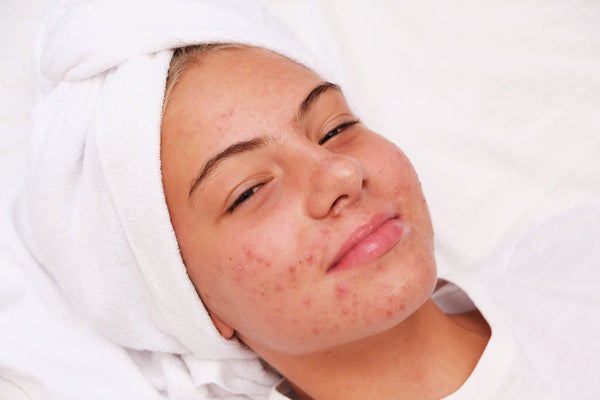
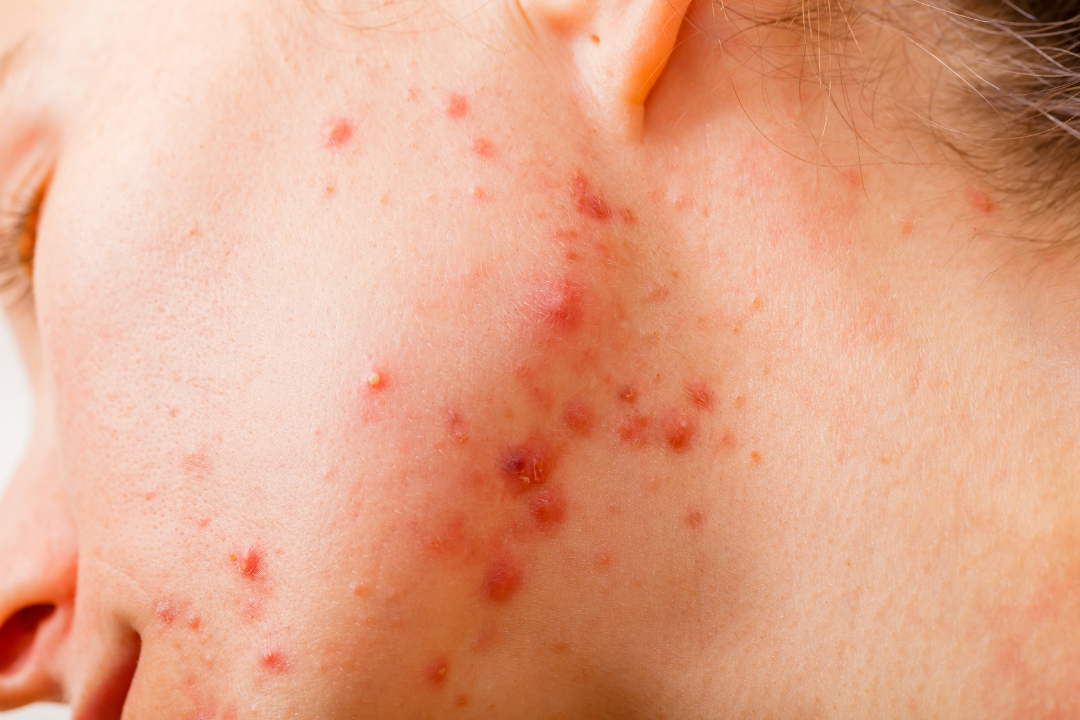
Acne on the chin and jawline might appear as small clogged bumps, painful under-the-skin spots, or cystic acne that seems to return in the same place. For some, it flares around their monthly cycle. For others, it appears during times of stress, hormonal change, or when skin simply feels out of balance.
To help make things clearer, we asked our expert, Suzanne, to explain the most common chin acne causes, why acne around the jawline can feel so stubborn, and the treatments she recommends for supporting your skin.

Why does acne appear on the chin and jawline?
Acne on the chin and jawline is often associated with hormonal changes, but that is not the only reason it can appear.
This area can be affected by a combination of internal and external triggers, including hormone fluctuations, stress, excess oil, clogged pores, face touching, friction and product build-up.
As there can be more than one cause, acne on the chin and jawline can sometimes feel difficult to understand, especially if your skin has previously felt quite balanced.
As Suzanne explains:
“When there is inflammation or fluctuation happening within the body, it can often show on the skin.”
What causes chin and jawline acne?
Hormonal changes
Hormonal changes are one of the most common jawline acne causes, particularly when breakouts appear around the lower face.
These changes can happen at many different stages of life, from puberty and menstrual cycles to pregnancy, coming off contraception, perimenopause, and menopause. For some people, hormonal breakouts appear at a similar time each month. For others, they can feel more unpredictable.
Hormonal acne can also feel deeper or more tender than surface-level congestion, which is why cystic acne on the chin or jawline may take longer to settle.
“Hormonal changes can influence oil production and inflammation in the skin,” says Suzanne. “That’s why breakouts around the chin and jawline can feel like they appear from nowhere, especially at certain points in the month or during times of change.”
Stress and raised cortisol levels
Stress can also play a part in acne around the jawline. When stress levels rise, the body produces more cortisol, which can contribute to inflammation and make skin more reactive.
This does not mean stress is always the only cause of your acne, or that you are doing anything wrong. But if your breakouts tend to appear during busy, overwhelming or emotionally intense periods, stress could be one of the factors influencing your skin.
“When stress levels rise, the skin can become more reactive,” explains Suzanne. “Raised cortisol levels can contribute to inflammation in the body, and for some people, that can show as congestion or breakouts around the chin and jawline.”
Face touching, friction and product transfer
Sometimes, acne on the chin and jawline is not only about what is happening internally. Every day contact can also make a difference.
Touching your face throughout the day, resting your chin on your hands, holding your phone against your skin. Is this starting to sound like you? Often we do these habits without even realising. Think about the bacteria on our hands and on our phones transferring onto the surface of our skin daily.
“We often forget how much contact this area has throughout the day,” says Suzanne. "Constant touching, particularly if the skin is already inflamed or prone to congestion.”
A few small changes can help, such as cleaning your phone regularly and avoiding resting your chin in your hands.
Could jawline acne be fungal acne?
Jawline fungal acne is something that can cause many of us concern in this area, but it is important to understand that fungal acne is not the same as typical acne.
Fungal acne, often referred to as Malassezia folliculitis, tends to appear as small, uniform-looking bumps and can feel itchy or rash-like. It may not respond in the same way as regular acne products.
If your breakouts are itchy, very uniform, spreading quickly or not responding to your usual acne routine, it is worth speaking to a skin professional or GP before continuing to treat it as standard acne.
Where to start? Suzanne’s expert recommendations
When it comes to how to treat jawline or chin acne, there is no single solution. The right approach depends on your triggers and the type of jawline and chin breakouts you are experiencing.
For acne on the chin and jawline, here are Suzanne's go-to recommendations...
Environ Focus Care Clarity+ Hydroxy Acid Sebu-Clear Masque

The Environ Clarity+ range is renowned for tackling acne. Suzanne loves this mask as it helps renew skin with exfoliating acids to combat your breakouts.
The Biretix range

Biretix is dermatologist-developed skincare to help you manage breakouts confidently. Suzanne expresses that you can't go wrong with anything from this brand to help with acne-prone skin.
The La Roche-Posay Effaclar range

Effaclar is designed with oily and blemish-prone skin in mind, making it a helpful place to start if you are experiencing acne around the jawline or chin and want a routine that feels simple, targeted and easy to stay consistent with.
The range includes options to cleanse, treat and moisturise, allowing you to build support around your skin without overwhelming it.
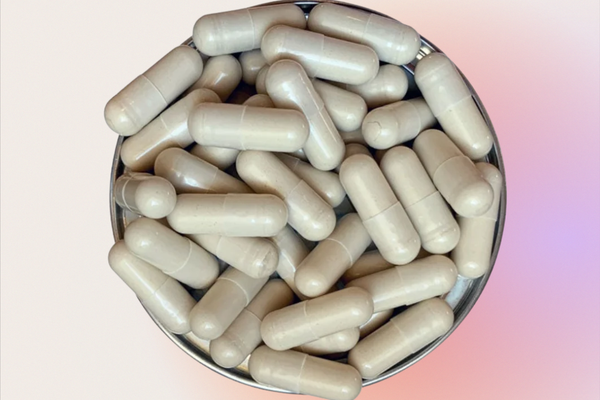
Acne supplements
Here, we take a 360 approach, and to combat that inflammation that could be triggering your acne, your skin care routine has to start from within.
Take a look at some of Suze's go-to acne supplements...
Best facial for acne-prone skin
Sometimes, at-home skincare is only part of the picture. If your acne feels persistent, an in-clinic treatment can help take the guesswork out of what your skin needs next.
At our very own clinic, we offer expert-led treatments designed to support acne-prone skin.
For those looking for the best facial for acne-prone skin, a ZO Skin Health Peel Treatment can be a helpful option, particularly when skin needs more targeted support.
One of the key benefits of this treatment is acne and oil control. Designed to help clear the skin and prevent future breakouts, this treatment is suitable for acne, rosacea and oily skin.
Expert support for Acne at Every Age
If you want personalised advice from our skin expert, our Acne At Every Agebrings together a group of real people living with acne, helping them take control of their skin and rebuild their confidence with expert-led care.
By taking part, you will receive:
- Free virtual consultations over a 12-week period with our Skin Experts
- A free bespoke routine of products worth up to £800
- A full guide to follow throughout your acne journey
- The opportunity to visit Face the Future Headquarters and meet the team
- Support towards a clearer-looking complexion and boosted skin confidence
If you’re ready to feel more supported in your skin, sign up to our Acne At Every Age campaign today.