How to Treat Postpartum Hair Loss (And Why It Happens)
Our guide on postpartum hair loss helps you understand why it happens, the changes your body goes through and products that can treat hair loss.

Postpartum hair loss tends to catch people off guard.
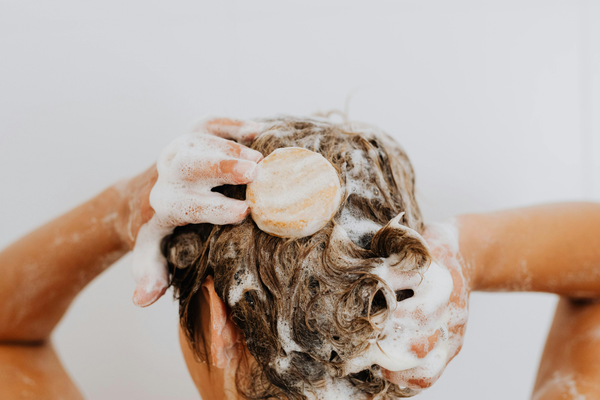
Not because no one’s ever mentioned it, but because nothing quite prepares you for seeing clumps of hair in the shower when you’re already running on little sleep and a lot of adrenaline. It often happens quietly at first. A fuller hairbrush. A thinner ponytail. A fringe that suddenly won’t behave the way it used to.
And for many of our customers, it arrives just as life is beginning to feel very different.
The important thing to know, and the thing we wish more people said out loud, is that postpartum hair loss is incredibly common in women. It’s also, in many cases, temporary as well. What you’re seeing isn’t your hair “giving up”, but your body gently recalibrating after one of the biggest hormonal shifts it will ever experience.
Understanding what’s happening beneath the surface can take a lot of the fear out of hair loss. It can also help you support your hair through this phase without putting extra pressure on yourself.
Why Hair Often Feels Better During Pregnancy
Many women notice their hair feels thicker, stronger or fuller during pregnancy. This isn’t a coincidence. In fact, it’s hormonal.
Oestrogen levels rise significantly while you’re pregnant, and one of oestrogen’s side effects is keeping hair in its growth phase for longer. Normally, we shed hair gradually every day. During pregnancy, that shedding slows down and hair stays put.
So, when people talk about “pregnancy hair”, what they’re really describing is hair that hasn’t gone through its usual cycle yet.

What Changes in Your Hair After Giving Birth?
After giving birth, oestrogen levels drop, often quickly. And when that happens, the hair that was essentially paused during pregnancy is released back into its normal shedding phase.
Instead of falling out gradually over months, it often sheds over a much shorter period of time. That’s why postpartum hair loss can feel sudden or dramatic, even though it’s part of a natural process.
This type of shedding is known as telogen effluvium, and while the name sounds intimidating, it simply describes a shock to the system. Essentially, it’s temporary hair shedding that is triggered by something like your diet, medications, hormonal changes or physiological events. In this case, it’s pregnancy and childbirth.
When Does Postpartum Hair Loss Start?
For most women, shedding begins around three months postpartum, though some notice it sooner and others a little later.
The peak usually falls between months three and six. After that, hair growth gradually begins to normalise. Fine regrowth – sometimes called “baby hairs” – often appears around the hairline or parting first.
By the time you reach nine to twelve months postpartum, most people find their hair feels noticeably more like itself again.
If you’re breastfeeding, healing from birth or experiencing ongoing sleep deprivation, that timeline can stretch slightly – and that’s completely okay.
Why Postpartum Hair Loss Can Feel So Emotional
Hair loss isn’t just physical, it’s emotional.
After pregnancy, many women are already adjusting to a new identity, a changed body and a very different rhythm of life. Hair loss can feel like one more reminder that things aren’t quite the same anymore.
It’s also very visible. You see it every time you wash your hair or tie it up. And because it happens after pregnancy rather than during it, it can feel strangely isolating. Almost as though everyone else has “moved on”, whilst your body is still catching up.
Something we remind our community is that this emotional response is valid. And it deserves gentleness, not minimisation.
What Helps Treat Postpartum Hair Loss
One of the hardest things about postpartum hair loss is the temptation to try everything at once. In reality, the most helpful approach is often the simplest and most patient one.
Haircare, shampoos< and hair supplements can support regrowth, but they can’t override hormonal shifts overnight. There’s no product that can instantly stop postpartum shedding, and anything that promises to do so is usually overselling.
What does help is creating the right environment for healthy regrowth while protecting the hair you have.
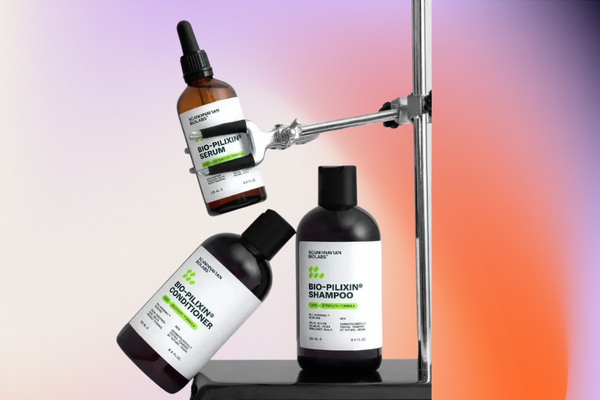
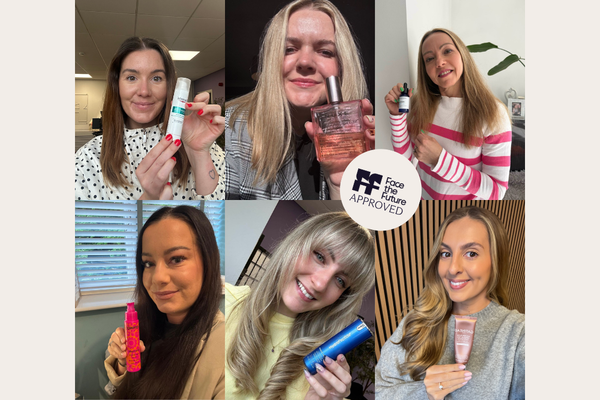
 If you’re experiencing hair thinning or increased shedding after pregnancy, exploring targeted haircare solutions can help support recovery and encourage healthier regrowth. The following products are designed to promote stronger, fuller-looking hair over time:
 Hairburst Advanced+ Hair Supplement
A daily supplement formulated to nourish hair from within, helping to strengthen strands and support healthier growth as your body recovers postpartum.
Monpure Follicle Boost Hair Density Serum
This lightweight, scalp-focused serum helps stimulate the follicles and improve the appearance of density, making it a great option if your hair feels noticeably thinner or lacks volume.
Pharmaceris H Stimuforten Intensive Hair Growth Treatment
An intensive treatment created to reinforce the hair roots, minimise shedding, and encourage natural regrowth. This is particularly beneficial during periods of postpartum hair loss.
mesoestetic Tricology Hair Loss Shampoo
A specialised shampoo that gently cleanses and rebalances the scalp while delivering active ingredients that help reduce hair loss and support healthier, stronger-looking hair with continued use.
Supporting Hair From the Inside Out
After pregnancy, your body is still prioritising healing, energy balance and hormone regulation. Hair growth naturally comes lower down the list.
Eating regularly, even when days feel chaotic, matters more than perfection. Protein, iron, zinc and essential fats all play a role in healthy hair growth, and deficiencies are common postpartum. This is especially pronounced if you’ve experienced blood loss during birth or prolonged fatigue.
If hair shedding feels excessive alongside symptoms like dizziness, breathlessness or extreme tiredness, it’s worth speaking to a healthcare professional about iron levels.
Scalp Care: Where Regrowth Really Begins
Healthy hair starts at the scalp.
Hormonal changes after pregnancy can affect scalp circulation, oil production and sensitivity, which is why scalp-focused care is often more effective than concentrating on lengths alone.
Lightweight hair oils used once or twice a week, gentle exfoliation to remove build-up, and products that support circulation without irritation can all help create the conditions hair needs to grow well.
Something we often remind our community is that consistency matters far more than intensity, along with that understanding that you’re not alone and there are solutions out there.
Washing, Styling and Daily Care During Shedding
Small adjustments can make a noticeable difference during postpartum hair loss.
Avoiding tight hairstyles – especially around the temples and hairline – helps reduce unnecessary tension. Wide-tooth combs are kinder than brushes on wet hair, and gentle towel-drying prevents breakage.
Heat styling doesn’t need to disappear entirely, but using it less often, and with protection, helps preserve fragile regrowth.
And if you’re washing your hair less frequently out of fear of shedding? You don’t need to. Hair that’s ready to shed will do so regardless, and so keeping the scalp clean can actually make hair feel fuller and healthier.

When to Seek Extra Support for Postpartum Hair Loss
While postpartum hair loss is usually temporary, it’s worth seeking advice if:
- Hair shedding continues beyond a year
- Hair loss appears irregular rather than evenly distributed
- Your he scalp feels painful, inflamed or itchy
- You have a history of thyroid or autoimmune conditions
Sometimes reassurance is all that’s needed. Sometimes there’s more going on. Both deserve attention.
Final Thoughts
Postpartum hair loss isn’t your body letting you down.
It’s your body adjusting slowly and carefully after doing something extraordinary like giving birth.
With time, nourishment and gentle support, regrowth almost always follows. And when it does, it often arrives with a quiet reminder of just how resilient you are.
If you’re dealing with postpartum hair loss and are unsure where to start, our experts are here to help. Contact us to learn more about our postpartum hair loss treatments, or book a hair consultation for personalised advice.
For bespoke guidance on the most suitable products for your needs, speak to our expert team on 0113 282 7744 or email shop@facethefuture.co.uk.